
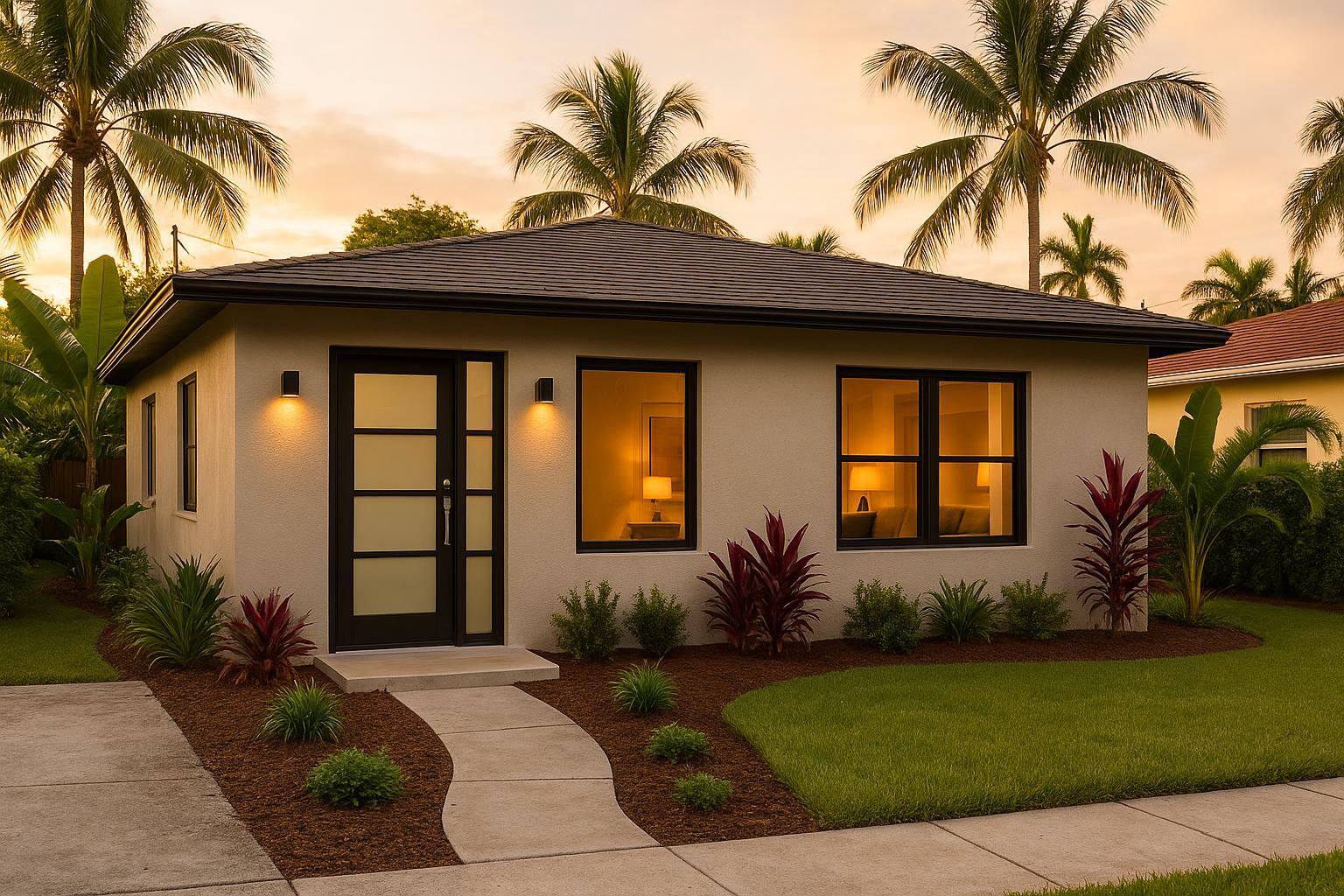
Why Miami Homeowners Are Converting Their Garages
Space is at a premium in Miami. Between rising property values and the growing need for flexible living arrangements, more homeowners across the city are looking at their garages and seeing untapped potential. Whether you need a home office, a rental unit, a guest suite, or a private space for aging parents, a garage conversion is one of the most cost-effective ways to add livable square footage without building from the ground up.
But converting a garage in Miami isn't as simple as throwing down some flooring and calling it a bedroom. There are building codes, permit requirements, climate considerations, and design decisions that can make or break the project. This guide walks you through the essential steps so you can plan with confidence.
Step 1: Define the Purpose of Your Conversion
Before you call a contractor or pull a permit, get clear on how you want to use the space. The intended purpose will drive nearly every decision that follows, from layout and plumbing to insulation and electrical work.
- Rental unit or ADU: If you plan to rent the space or use it as an accessory dwelling unit, you'll need a separate entrance, a kitchen or kitchenette, a bathroom, and compliance with Miami-Dade County's ADU regulations.
- Guest suite: A bedroom and bathroom combination with comfortable finishes, but typically fewer code requirements than a full ADU.
- Home office or studio: May require less plumbing work but will still need proper insulation, lighting, and electrical upgrades.
- Family living space: A playroom, media room, or extended living area that integrates with the rest of the home.
Each of these scenarios has different implications for cost, timeline, and permitting. Knowing your goal upfront saves time and money down the road.
Step 2: Understand Miami-Dade Permit and Zoning Requirements
This is where many homeowners get tripped up. In Miami-Dade County, converting a garage into habitable space requires a building permit. You cannot legally do this work without one, and unpermitted conversions can lead to fines, complications when selling your home, and even orders to restore the original garage.
Here's what you need to be aware of:
- Zoning compliance: Your property must meet local zoning requirements for the type of conversion you're planning. If you're creating an ADU, there are specific rules about lot size, setbacks, and parking.
- Parking requirements: Many Miami neighborhoods require a minimum number of off-street parking spaces. Converting your garage may eliminate required parking, so you'll need to verify whether alternative parking arrangements are acceptable.
- Florida Building Code: The converted space must meet current building code standards for habitable rooms, including requirements for ceiling height, ventilation, natural light, egress windows, and fire safety.
- HOA restrictions: If your property is in a homeowners association, check the covenants. Some HOAs in areas like Kendall and Doral have restrictions on exterior modifications or garage conversions.
Working with a contractor experienced in Miami-area conversions can help you navigate these requirements efficiently. At Craft ADU Builders, we handle the permitting process as part of every project so homeowners don't have to chase paperwork on their own.
Step 3: Address Miami's Climate in Your Design
South Florida's heat, humidity, and hurricane season create unique challenges for garage conversions. A standard garage was never designed to be a comfortable living space, so you'll need to address several climate-related factors:
Insulation and Air Conditioning
Most garages in Miami have minimal or no insulation. To make the space livable year-round, you'll need to insulate the walls, ceiling, and potentially the garage door opening (which will likely be replaced with a framed wall). You'll also need to extend or add HVAC capacity. A mini-split system is a popular and efficient choice for converted garages.
Moisture and Waterproofing
Garage floors are typically lower than the rest of the home and may slope toward the driveway. Proper moisture barriers, floor leveling, and waterproofing are essential to prevent mold and water damage, especially during Miami's rainy season.
Hurricane Impact Protection
Any new windows or doors installed in the conversion must meet Miami-Dade's hurricane impact requirements. This is non-negotiable and will be verified during the permitting and inspection process.
Step 4: Plan the Layout and Finishes
Once the structural and regulatory groundwork is laid, the fun part begins. A well-designed garage conversion should feel like a natural extension of your home, not an afterthought.
Consider these design elements:
- Flooring: Luxury vinyl plank and polished concrete are durable, moisture-resistant options that work well in Miami's climate.
- Lighting: Garages typically lack windows. Adding windows or a glass door not only brings in natural light but also meets building code requirements for habitable rooms.
- Ceiling height: Most garages meet the minimum ceiling height for living space, but verify this early. If your garage has exposed rafters, finishing the ceiling can transform the look and feel of the room.
- Plumbing: If you're adding a bathroom or kitchenette, plumbing rough-in is one of the most significant costs. Plan the layout to minimize long pipe runs where possible.
- Separate entrance: For ADUs and rental units, a private entrance with its own address is typically required. This also adds privacy and functionality.
Step 5: Budget Realistically
Garage conversions in Miami typically range from $30,000 to $80,000 or more, depending on the scope. A basic conversion into a bedroom or office sits at the lower end, while a full ADU with a kitchen, bathroom, and separate utilities will be at the higher end.
Key cost factors include:
- Structural modifications (removing the garage door, framing a new wall)
- Electrical and plumbing work
- HVAC installation
- Impact windows and doors
- Insulation and waterproofing
- Interior finishes and fixtures
- Permit fees and inspections
It's worth noting that a well-executed garage conversion can significantly increase your property value. In neighborhoods across Coral Gables, Hialeah, and Miami Beach, additional livable square footage is highly desirable and can offer a strong return on investment, especially if the space generates rental income.
Choosing the Right Contractor for Your Garage Conversion
Not every remodeling contractor has experience with garage conversions, and not every contractor understands the specific requirements of building in Miami-Dade County. When evaluating potential partners for your project, look for:
- A valid Florida contractor's license and insurance
- Experience with garage conversions and ADU construction specifically
- Familiarity with Miami-Dade permitting and inspection processes
- A portfolio of completed projects you can review
- Transparent pricing and a detailed scope of work
At Craft ADU Builders, garage conversions are one of our core specialties. We work with homeowners throughout Miami and surrounding communities to transform underused garages into beautiful, code-compliant living spaces. From initial design through final inspection, we manage every detail so the process is smooth and the results exceed expectations.
Is a Garage Conversion Right for You?
If you have a garage that's become a storage dumping ground rather than a functional part of your home, converting it into livable space is worth serious consideration. It's faster and more affordable than a traditional home addition, and in a market like Miami, the added square footage pays dividends whether you stay in your home or eventually sell.
The key is planning carefully, working with experienced professionals, and making smart design choices that account for Miami's unique climate and building requirements. When done right, a garage conversion doesn't just add space — it adds value, comfort, and flexibility to your home for years to come.